✦ Free standard delivery on orders over $99
✦ Every piece handmade & authenticated
✦ From Zapopan to Calgary, shipped worldwide
Early morning village market street in rural Mexico at sunrise
OUR PROCESS

WHY IT MATTERS

Authenticity isn’t a label.
It’s a relationship.

The folk art market is full of pieces described as “handmade in Mexico.” Most of them are. The question is who made them — and whether those hands were paid fairly, credited honestly, and given a reason to keep making.

We built Folk Art Mexico as an alternative to that system. Every piece in our shop starts with a name, a place, and a conversation.

“We don’t source products. We source relationships — and the products are what those relationships produce.”

— Ricardo, Founder, Folk Art Mexico


From There to Here

Five steps, no shortcuts

Step One

We go to the source.

We travel to the twelve regions where Mexico’s folk art traditions are alive — not to trade shows, not to wholesale markets, not to middlemen. We go to the villages.

Each trip takes weeks. We visit workshops unannounced, walk markets at dawn, and follow introductions through community networks built on trust earned over many visits.
1
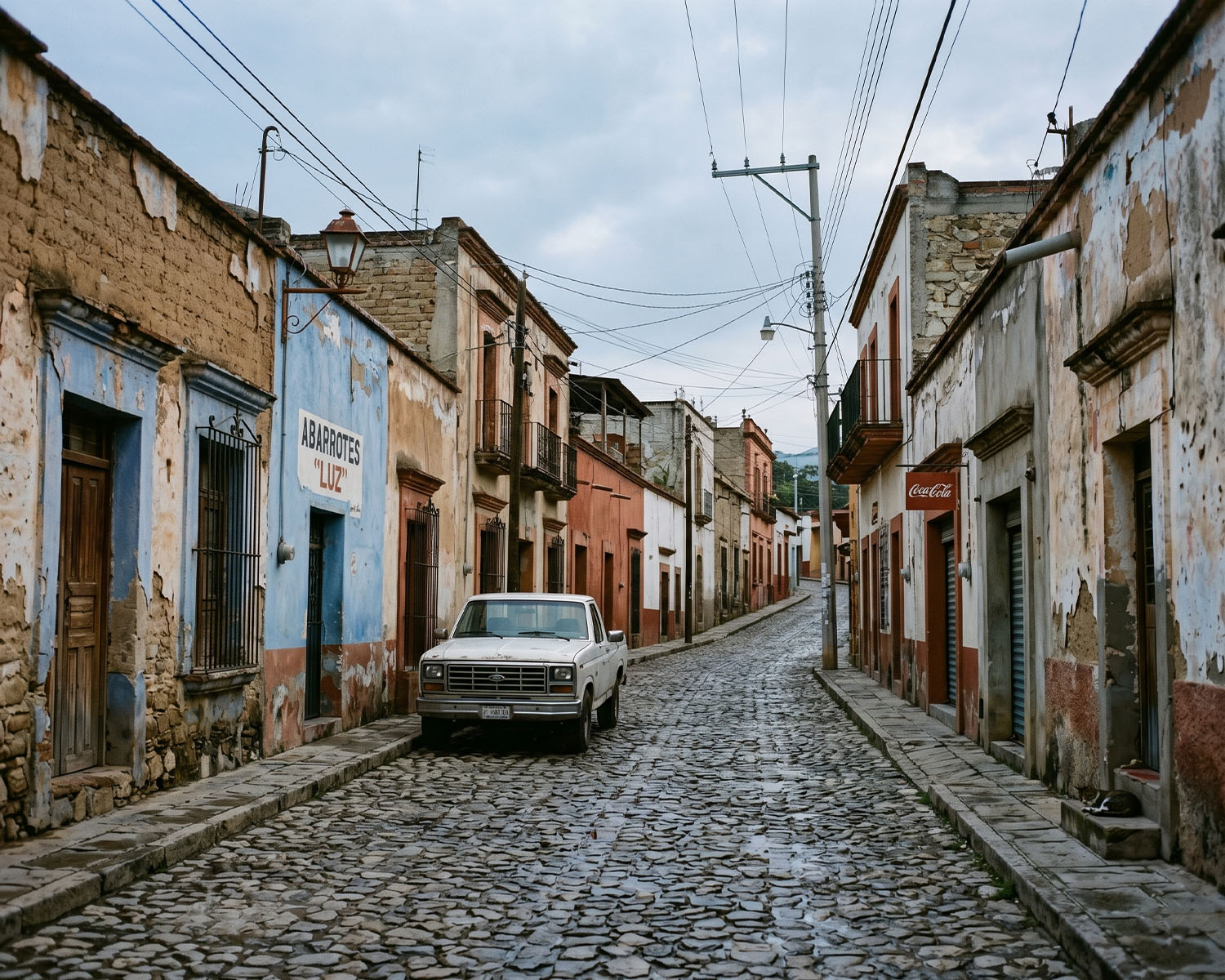
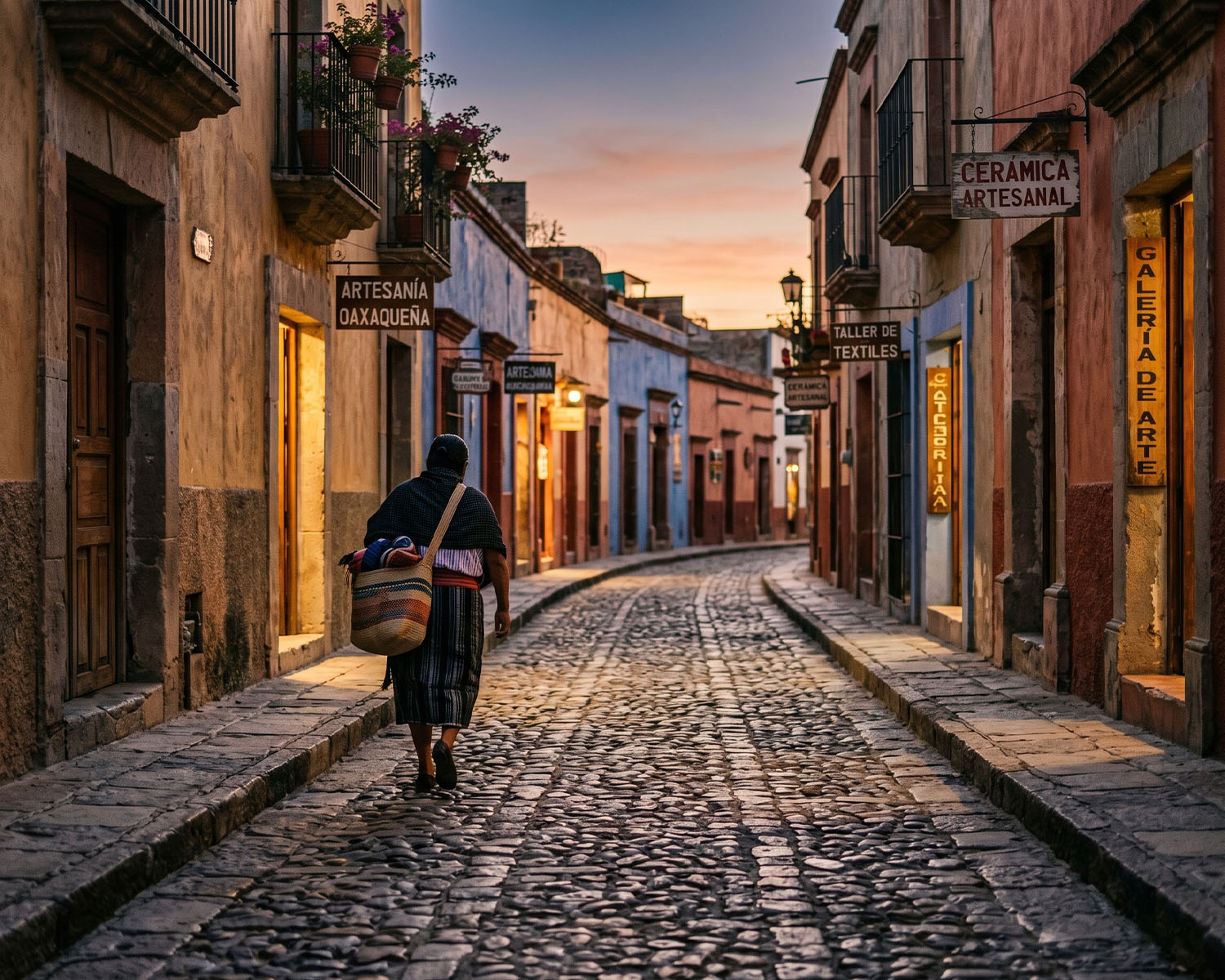
Early morning market street, Oaxaca
Photo: early morning market street, Oaxaca
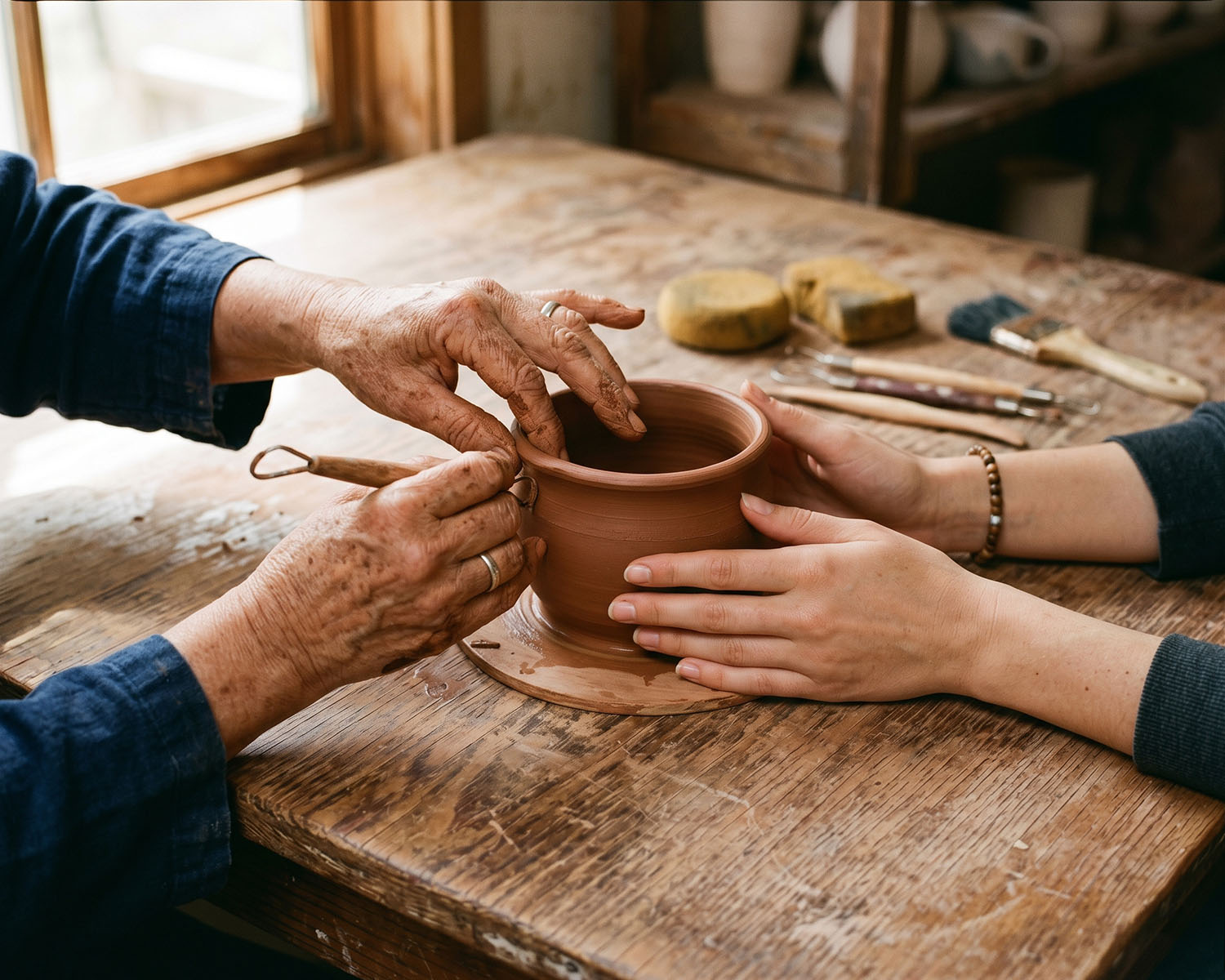
Conversation with artisan family in workshop, Jalisco
Photo: conversation with artisan family in workshop, Jalisco
2
Step Two

We meet the maker.

We only work with artisan families we’ve met in person and can identify by name. We learn how they learned — who taught them, how long the tradition has been in their family, and how they think about it today.

This conversation is the only way to know whether the “handmade” claim goes all the way down to the hands.

Step Three

We select with difficulty.

We bring home far less than we could. A piece earns its place in the shop by passing three informal tests: is the technique genuinely traditional, is the execution genuinely skilled, and is this something the maker is proud of?

Pieces that fail those tests — no matter how inexpensive or photogenic — stay behind.
3
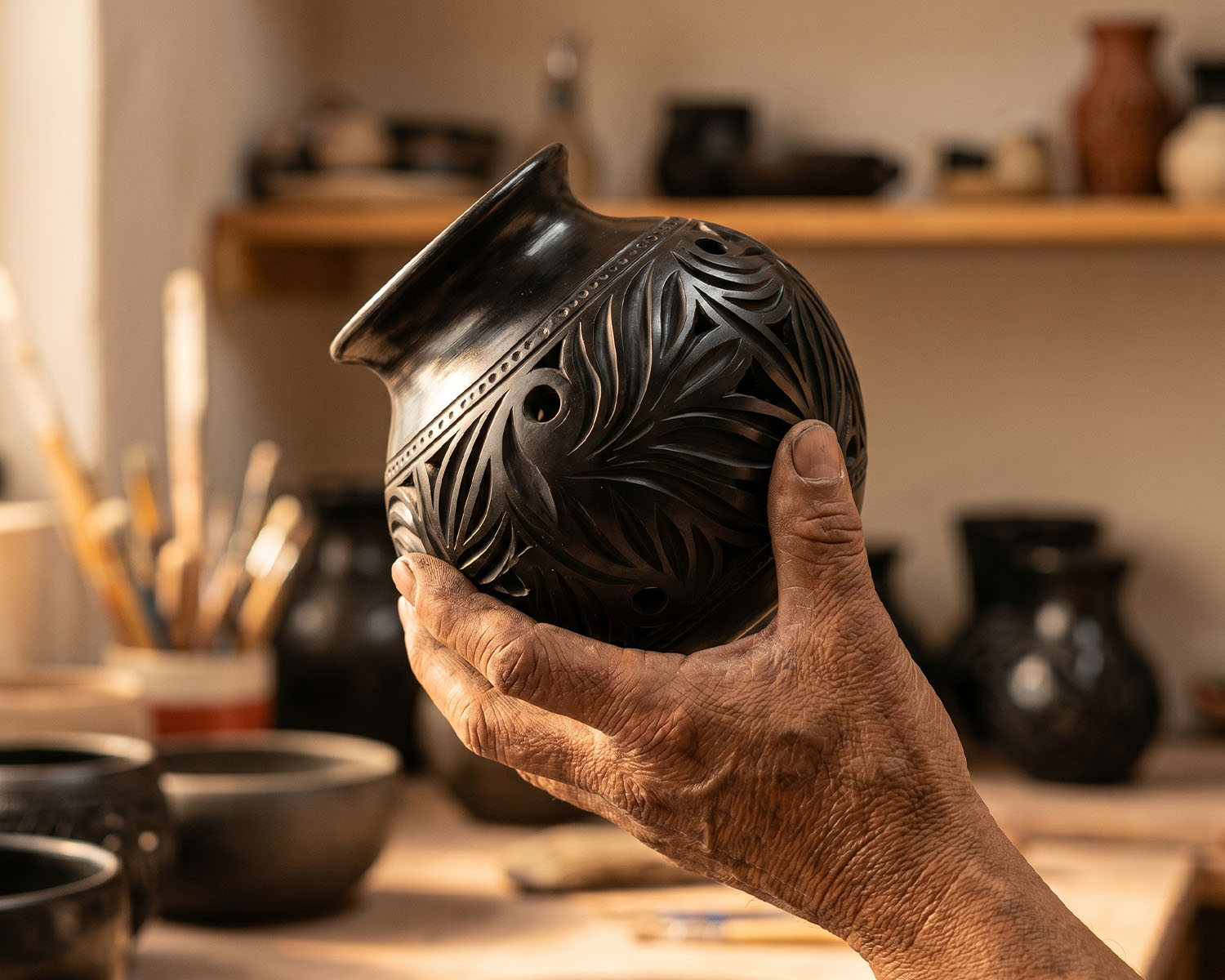
Hands examining a barro negro piece, Oaxaca
Photo: hands examining a barro negro piece, Oaxaca
Notebook and photos documenting provenance at source
Photo: documenting provenance at source
4
Step Four

We document everything.

Every piece is photographed at the source, with notes on the maker, the technique, the materials, and the context behind it. That documentation becomes the product listing — not marketing copy, but a provenance record.

When we say a piece was made by a specific family in a specific village, there’s a photograph and a conversation behind that claim.

Step Five

It arrives as it left.

We pack and ship personally — no third-party fulfillment warehouses, no re-boxing in transit. Fragile pieces are wrapped in materials that match how they’d be transported locally: cloth, corn husks, paper.

When a piece arrives at your door, the only hands it’s passed through are ours and the maker’s.
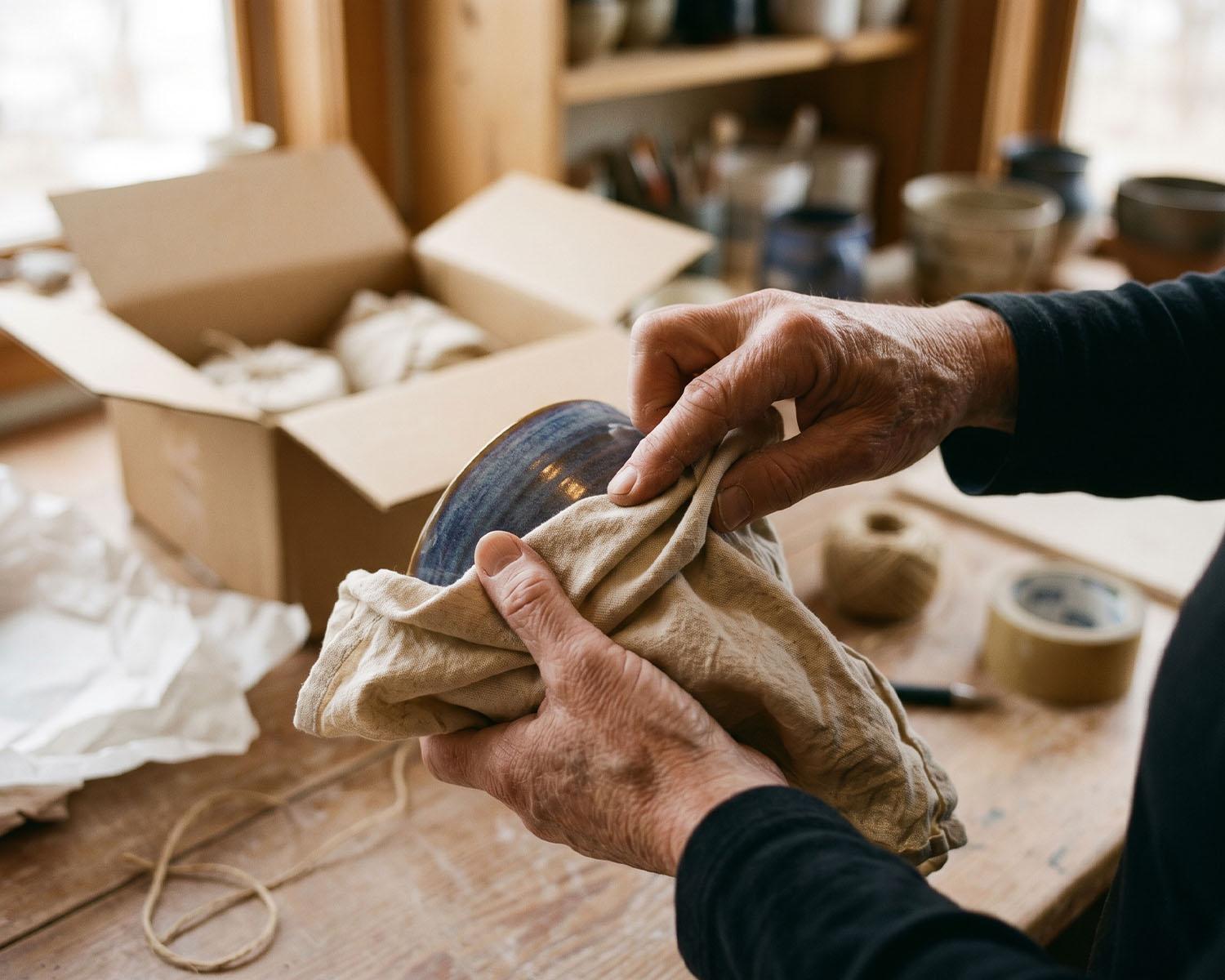
5
Hands carefully wrapping a ceramic piece for shipping
Photo: carefully wrapping a ceramic piece for shipping

OUR STANDARDS

What you won’t
find here

Being specific about what we don’t carry is the only honest way to explain what we do carry.

Factory-produced pieces attributed to “artisans”

If we can’t identify the maker by name and workshop, the piece doesn’t ship. Attribution is not a marketing layer — it’s a condition of sale.

Wholesale market sourcing

Tourist market and wholesale district pieces are often genuine craft — but the supply chain between artisan and market is opaque, prices are compressed, and makers rarely see fair value. We don’t source from that system.

Knock-offs of protected techniques

Talavera, Mata Ortiz, and other techniques with official designation of origin status are only purchased from certified producers. We don’t carry “Talavera-style” pieces made outside the protected region.

Pieces we can’t get back

If a maker can’t fill a repeat order — or won’t, because each piece is genuinely one-of-a-kind — we list it as such. We don’t substitute with similar-looking work from a different source.

BY THE NUMBERS

12

States sourced in person

3

Macro-regions covered

0

Wholesale intermediaries
Numbers updated as new artisan partnerships are formalized.

KEEP EXPLORING

Every piece has a place and a person behind it.

Workshop courtyard with folk art pieces in golden hour light
Shop by Region

Explore the twelve states

Artisan hands at work in a Mexican folk art workshop
Meet the Maker

The families behind the work